
Introduction to Trading Success
In the fast-paced world of trading, the key to success lies not in following the next trending signal or relying on random tips from social media. To be truly successful, traders must master fundamental and technical analysis, two powerful methods that allow you to make informed decisions and understand the real drivers of the market.
But, as with everything, there are people who promise easy profits through “trading signals” or “expert advice”—these so-called gurus can lead you down a dangerous path. In this blog, we’ll explore why fundamental and technical analysis are the cornerstones of successful trading and how to avoid falling for the tricks of fake gurus.

What is Fundamental Analysis and Why Does It Matter?
Fundamental analysis involves evaluating an asset’s intrinsic value based on economic, financial, and qualitative factors. For example, in forex trading, the value of a currency is significantly influenced by the economic health of the country it represents. Key indicators such as interest rates, GDP growth, and inflation affect the demand for a country’s currency. Understanding these indicators allows you to predict price movements before they happen.
Key Aspects of Fundamental Analysis:
1. Economic Indicators:
Reports such as interest rates, employment data, and GDP tell traders about the health of a nation’s economy, which directly impacts the value of its currency or assets.
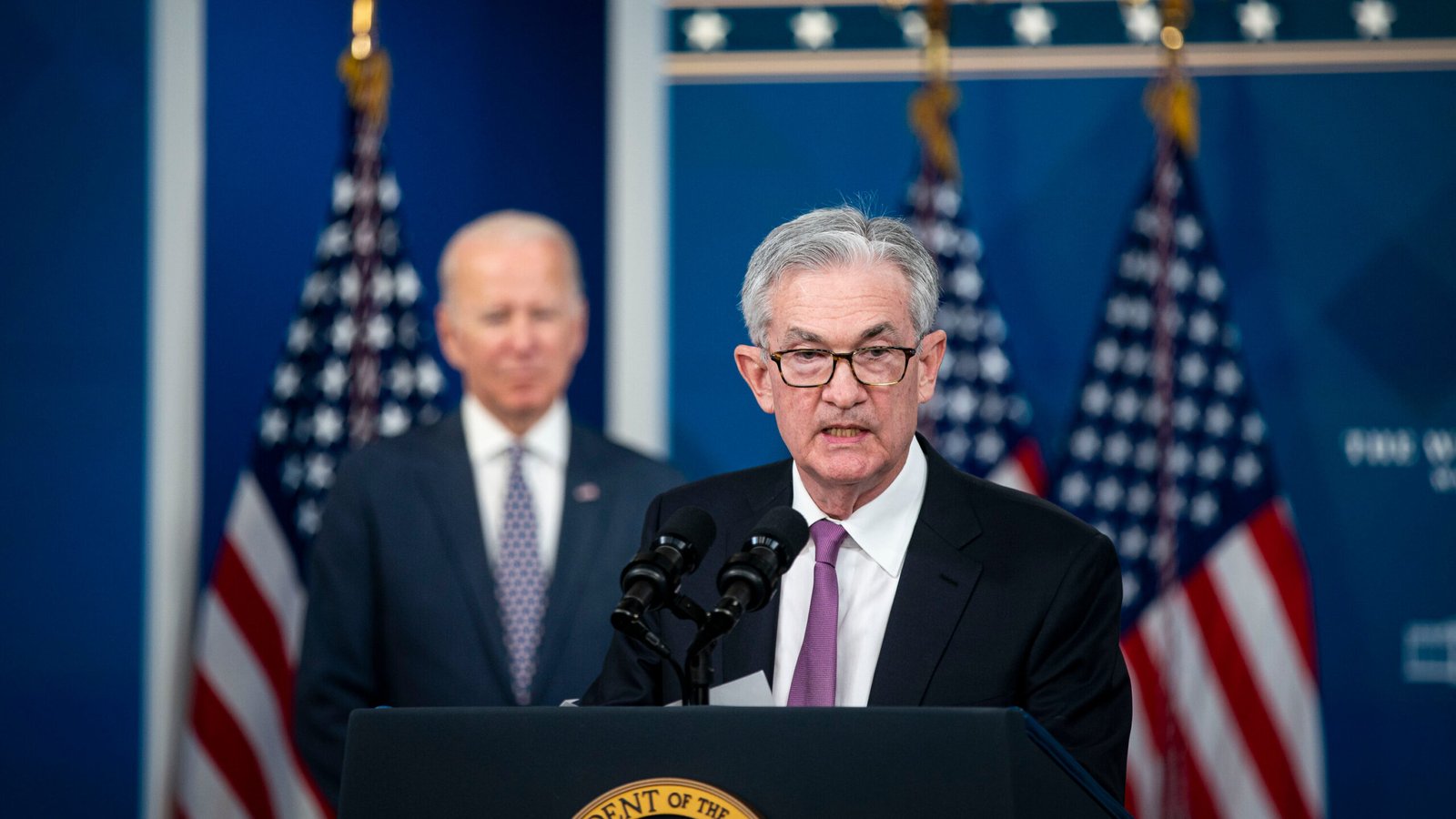
2. Geopolitical Events and Market Sentiment:
Political instability, natural disasters, or changes in government policies can send shockwaves through markets. Fundamental analysis helps you stay ahead by monitoring these events and their potential market impact.
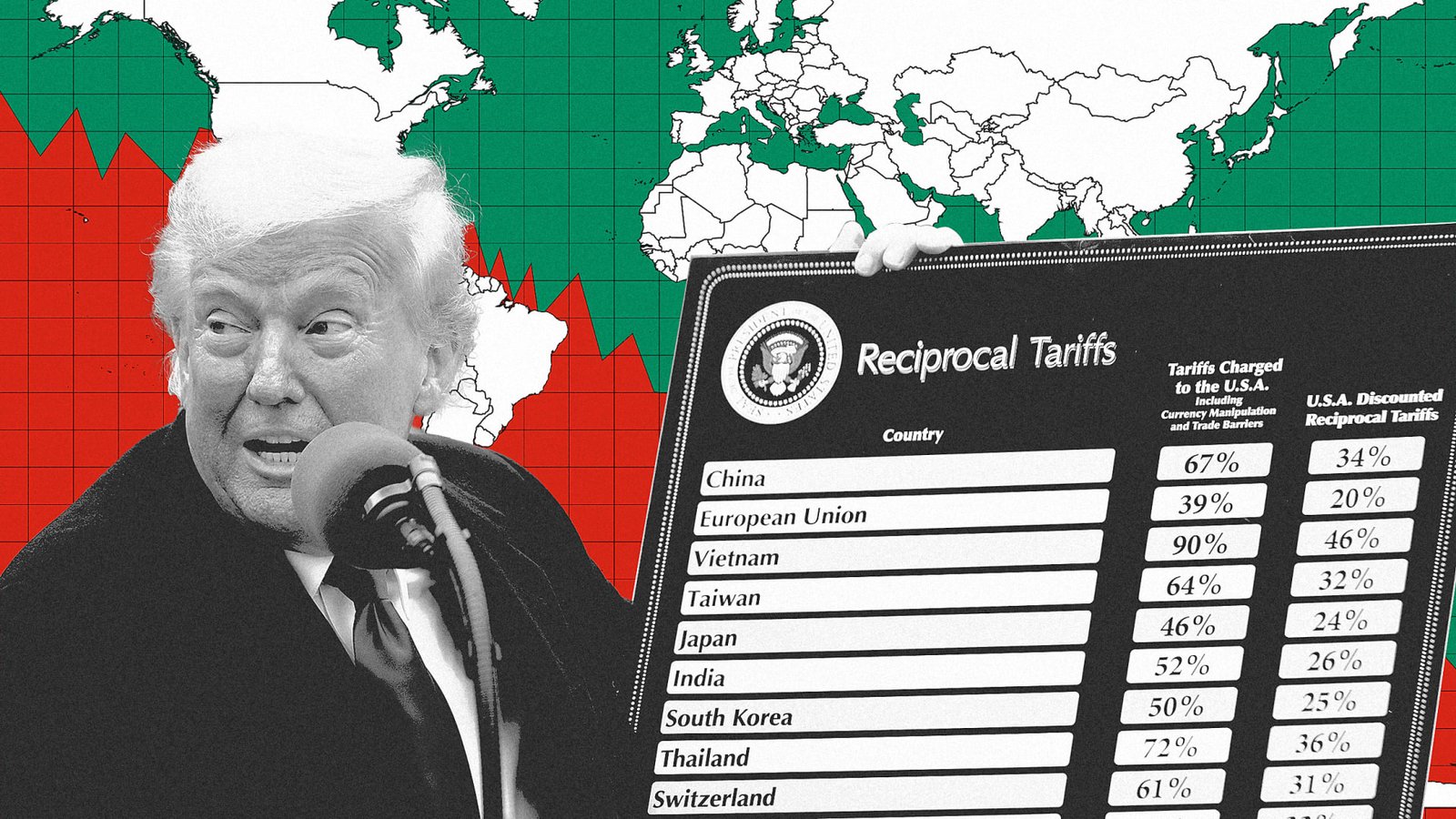
3. Market News and Corporate Reports:
Major companies’ earnings reports, trade deals, and news events can affect not just individual stocks but also broader markets. A strong earnings report can propel a stock’s price upwards, while poor results may cause a downfall.

Tip for Traders:
Stay updated on global economic news using resources like an economic calendar. Knowing when key events are coming up can help you anticipate market movements before they happen.
The Power of Technical Analysis: Making the Most of Price Data
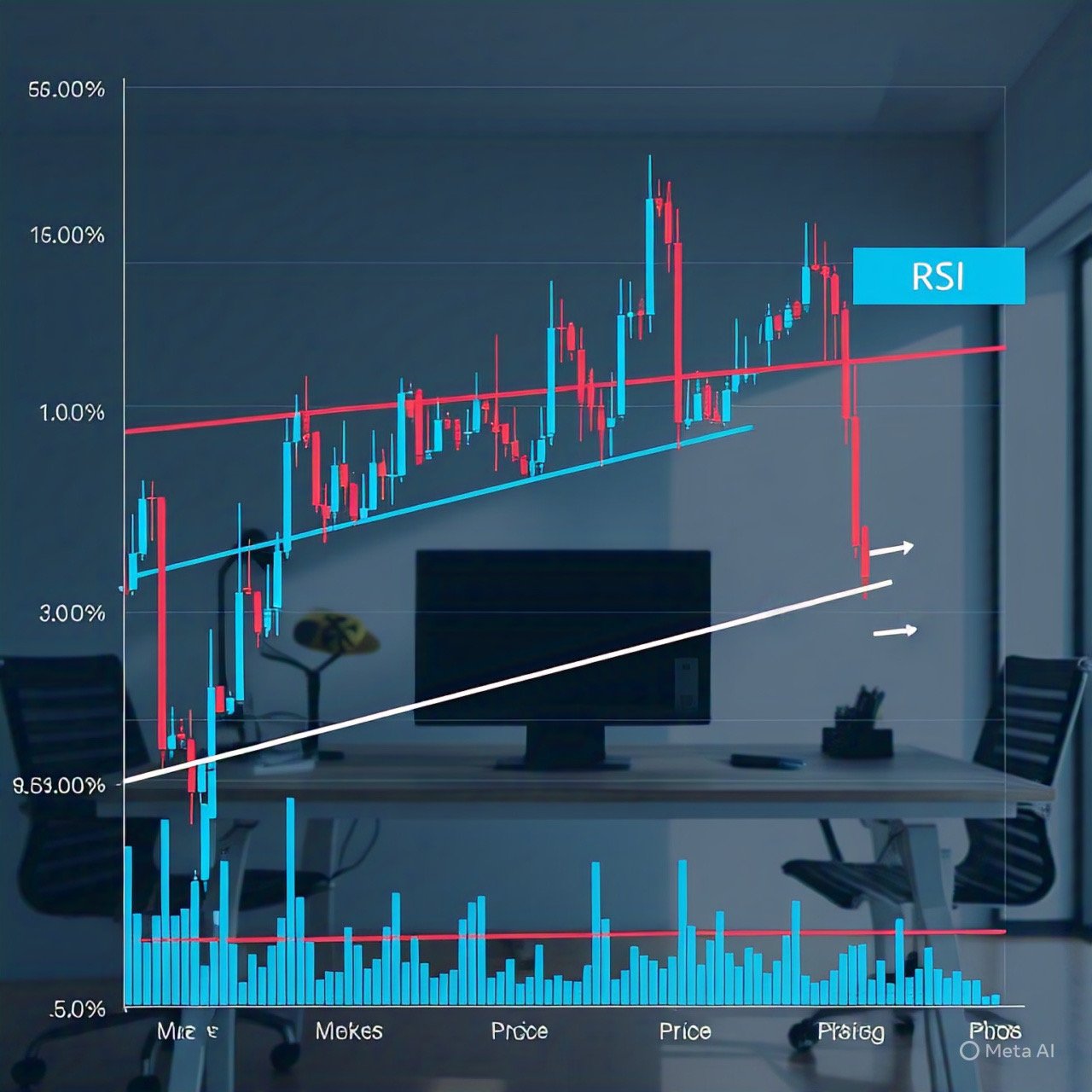
While fundamental analysis looks at the “why” behind price movements, technical analysis focuses on the “how.” It involves studying price charts and market data to predict future price movements based on historical patterns. Candlestick patterns, trendlines, and technical indicators such as moving averages or RSI (Relative Strength Index) provide traders with insights into market trends and potential entry/exit points.
Why Use Technical Analysis?
1. Price Action Based on Historical Data:
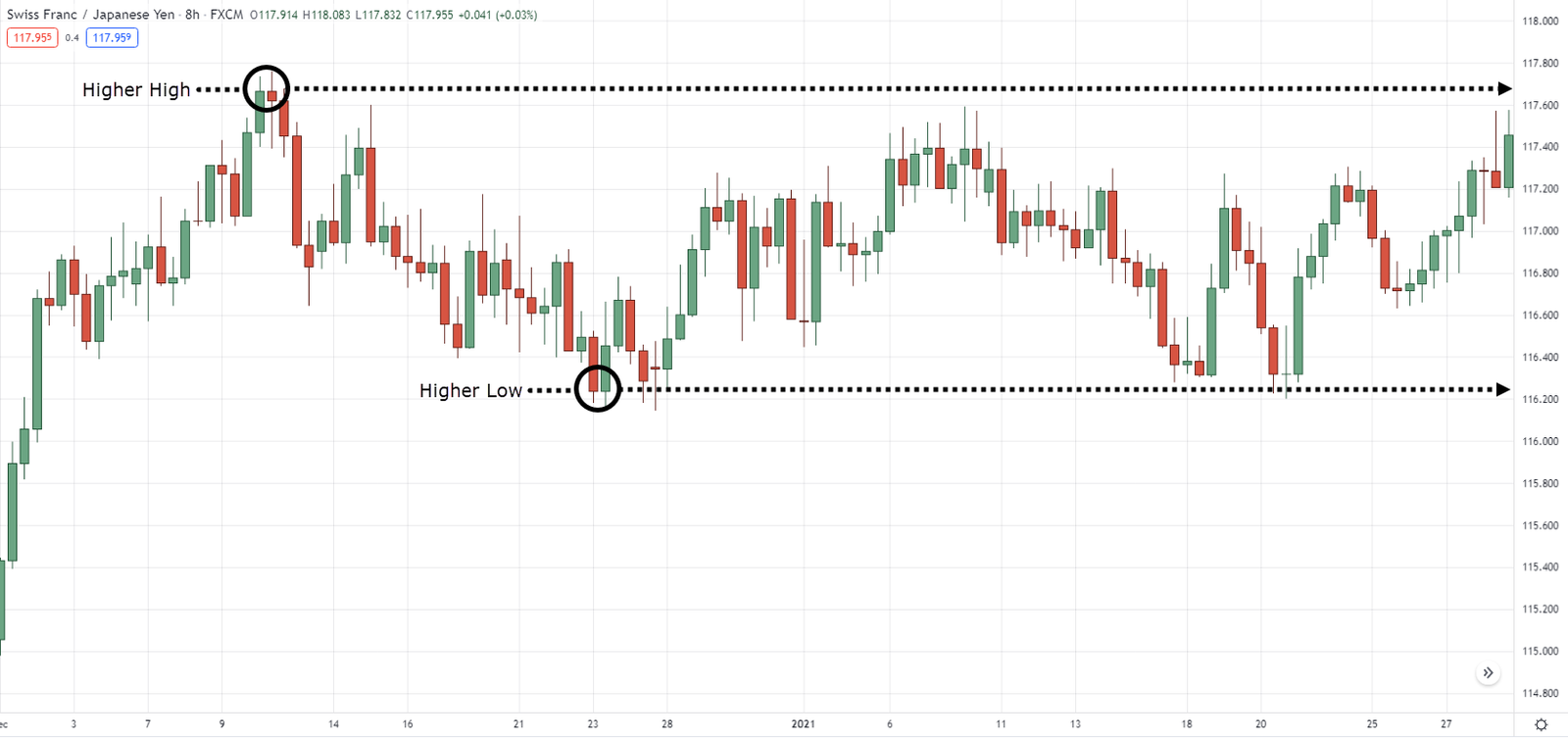
Technical analysis focuses on market psychology—how traders react to past events. If a currency pair is consistently bouncing off a certain price level, it’s a technical support level, and traders will use that to predict future behavior.
2. Indicators for Better Decision-Making
Technical indicators can help you spot market trends and avoid false signals. Moving averages, for example, can help you identify trends, while RSI tells you when a market might be overbought or oversold.
3. Timing the Market:
Technical analysis helps you decide when to enter and exit the market based on price movements rather than relying on guesswork or random tips. It’s all about knowing what has happened and using that information to predict what will happen next.
Beware of Fake Gurus: How They Exploit Traders
In the world of social media, everyone seems to have the secret sauce for making easy profits. From Instagram to YouTube, countless self-proclaimed trading gurus promise guaranteed profits through their “signals” and “courses.” But here’s the truth: most of these so-called experts are scammers
How Fake Gurus Work:
• Selling Signals:
Fake gurus sell “premium” trading signals to traders, claiming that they have insider information or exclusive trading strategies. However, these signals often lead to losses rather than profits, as they are based on random market movements or incorrect analysis.

• Falsely Claiming Success:
Many fake gurus show off massive profits from trading, often highlighting only their winning trades while completely ignoring their losses. This creates a false sense of success and encourages others to pay for their services.

• Shifting Traders to “Dollar Accounts” :
Some brokers affiliated with fake gurus try to move traders to accounts in foreign currencies, promising lower commissions. However, these accounts often lead to even bigger losses due to hidden fees and unfavorable exchange rates.

This fraud is common among PMEX brokers.
They first hide heavy commissions, then after client losses, blame PMEX and divert traders to illegal Dabba (Box) trading.
How They Scam Traders:
1. Unrealistic Promises:
Fake gurus lure you in with promises of easy profits, often with little or no risk. They may claim you can make a fortune in a short amount of time, which is a clear red flag.

2. Lack of Transparency:
Unlike professional traders who focus on educating you and building long-term strategies, these scammers are all about getting your money quickly. They rarely show the full picture of their trades.
3. Manipulating Markets for Their Benefit:
These scammers often use high-commission brokers that take a chunk of your profits, leaving you with little to no gains. The more you trade, the more they earn, while you lose.

Master Your Own Ship: Avoid the Scam and Build Your Knowledge
The best way to avoid falling for fake gurus is by mastering the basics of trading. Focus on your education, and take the time to understand both fundamental and technical analysis. With the right knowledge, you can read the market like a professional and make informed decisions based on real data, not empty promises.

Tips for Traders to Stay Safe:
• Learn from Reliable Sources:
Focus on learning from trusted educational platforms, not from Instagram influencers or unverified signal providers.
• Develop Your Own Strategy:
Understand that successful trading is about having a plan and sticking to it. Relying on others’ signals or promises will only lead you astray.
• Use Economic Calendars and News Updates:
Follow key economic events and news releases to stay ahead in the market. Predicting trends based on solid data is far more effective than chasing after the latest “hot tip.”
Conclusion: Focus on Mastering the Basics
Successful traders are those who understand both fundamental and technical analysis. These two tools, when used together, give you a solid foundation for making informed decisions. By focusing on the real market drivers and avoiding the fake gurus who promise easy money, you can set yourself up for long-term success.
Remember, in trading, there are no shortcuts. The only way to truly succeed is by understanding how the markets work, mastering your own analysis, and building a strategy that aligns with your goals. Stay informed, stay disciplined, and always keep learning.
Ready to get started? Start learning the right way and equip yourself with the tools needed to navigate the world of trading with confidence.
Key Takeaways:
• Fundamental and technical analysis are your keys to success in trading.
• Fake gurus often make promises they can’t keep and prey on those looking for shortcuts.
• Master both forms of analysis, and develop your own strategy for a profitable trading journey.
